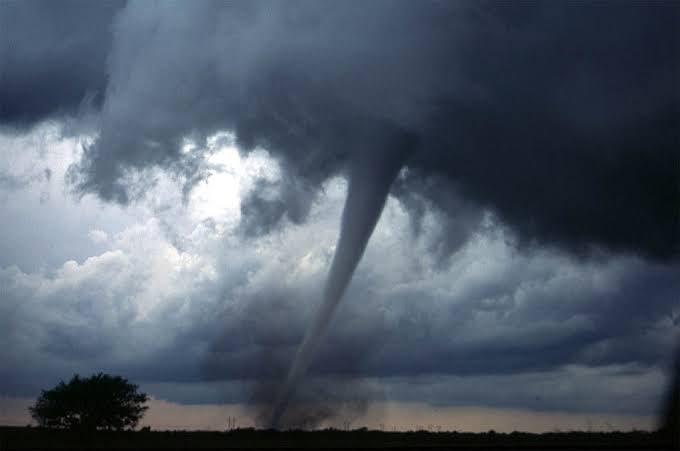
Residents across Tinley Park and surrounding communities are being urged to remain alert as a dangerous severe-weather system moves through the Chicago metropolitan area on Tuesday, August 11, 2026.
The National Weather Service has warned of severe thunderstorms capable of producing damaging winds, large hail, heavy rainfall, and tornadoes across parts of northern Illinois. The threat has prompted urgent weather alerts and heightened concern for communities throughout the southern Chicago suburbs.
Although severe weather is affecting the Tinley Park area, there is currently no verified confirmation that a tornado has touched down directly in Tinley Park. Residents should therefore distinguish between a tornado warning or severe-weather threat and a confirmed tornado on the ground.
The current situation remains potentially dangerous because thunderstorms can intensify rapidly and conditions can change with little warning.
Reports from across Illinois and Indiana indicate that Tuesday’s storms have already produced significant impacts, including widespread power outages, flooding, strong wind gusts, and emergency responses. More than 600,000 customers across Illinois and Indiana were reported without electricity as powerful storms moved through the region.
The National Weather Service Chicago forecast office has identified areas along and south of Interstate 80 and east of Interstate 55 as being particularly vulnerable to the most significant weather threats.
For Tinley Park residents, the most important priority is taking every warning seriously.
A tornado warning means that dangerous rotation or a tornado has been detected or strongly indicated and that people in the affected area should take immediate shelter.
Residents should move indoors and, where possible, go to a basement or an interior room on the lowest floor away from windows.
Those without basements should choose a small interior room such as a bathroom, closet, hallway, or other enclosed space surrounded by as many walls as possible.
People should avoid windows because flying debris represents one of the greatest dangers associated with tornadoes and severe thunderstorms.
Mobile phones and weather-alert systems should remain active so that residents can receive updated warnings as the storm system moves through the region.
The danger does not necessarily end when the loudest part of a storm passes.
Strong winds can bring down trees and power lines, while heavy rainfall can create dangerous flooding on roads and in low-lying areas.
Residents should never drive through water covering a roadway because the depth and condition of the road underneath may be impossible to determine.
Motorists travelling around Tinley Park, Oak Forest, Orland Park, Frankfort, and other nearby communities should expect rapidly changing conditions during severe storms.
Emergency vehicles may also be operating in affected areas as authorities respond to reports of damage, flooding, blocked roads, and power outages.
The latest reports indicate that the wider Chicago region has experienced substantial storm impacts.
Earlier severe-weather events in the area have already produced tornado touchdowns and extensive damage in several Chicago suburbs, demonstrating the potential for strong storms to produce significant consequences across the metropolitan region.
Today’s weather system is therefore being monitored closely by meteorologists and emergency officials.
Residents should rely on official National Weather Service warnings rather than social-media reports when determining whether immediate shelter is necessary.
Unverified claims of a tornado touchdown can spread quickly during severe weather, but official confirmation may take time.
If a tornado is reported or confirmed near Tinley Park, authorities and weather officials may issue additional warnings identifying the storm’s projected path and areas at risk.
The safest approach is to act on an official warning immediately rather than waiting to see whether a tornado becomes visible.
People outdoors should seek a substantial enclosed building as quickly as possible.
Those caught driving during a tornado warning should avoid stopping beneath bridges or overpasses, where winds can become particularly dangerous. Finding a sturdy building is generally the safer option.
Residents should also stay away from damaged structures, downed power lines, and areas affected by flooding after the storm passes.
Power lines may remain energized even when they appear to be inactive.
The severe-weather threat affecting Tinley Park is part of a broader storm system impacting Illinois and neighbouring states.
The National Weather Service has described the storms as dangerous, with the potential for destructive winds and tornadoes.
As conditions continue to evolve, additional warnings could be issued or existing warnings could be extended, cancelled, or replaced.
Residents are encouraged to remain weather-aware throughout the storm period and to check official alerts frequently.
For now, there is no verified confirmation of a tornado touchdown specifically in Tinley Park, but the community remains within an area experiencing a significant severe-weather threat.
The possibility of tornadoes, damaging winds, hail, flooding, and power outages means residents should remain prepared to shelter quickly if conditions deteriorate.
Anyone who experiences an emergency should contact the appropriate emergency services and avoid placing themselves in danger to investigate storm damage.
As the weather system moves through the Chicago region, further information is expected from meteorologists, emergency-management officials, and local authorities.
The immediate message for Tinley Park residents is simple: remain indoors when dangerous storms approach, monitor official alerts, and take any tornado warning seriously.
This remains a developing severe-weather situation, and conditions can change rapidly.
Residents should continue monitoring the National Weather Service and local emergency authorities for the latest information concerning tornado warnings, severe thunderstorm warnings, flooding, power outages, and storm damage.
Above all, residents should prioritize safety and avoid unnecessary travel while dangerous storms remain in the area.